Assess. Program. Train. Adjust.
The same four steps for a first-time lifter and for a competitor. What changes is the training inside them.
Assess
Before anything is written, Douglas needs the picture: your training experience, how often you can realistically train, what you are working with equipment-wise, what you have been doing until now, and where you want to be. If you have numbers, they matter. If you don't, that is a starting point like any other.
Program
Your plan is built in 4-week blocks around your goal — weight loss, hypertrophy, strength, stability, technique or general performance. Volume, intensity and exercise selection are chosen for you, then progressed inside the block instead of being improvised session to session.
Train
Programming arrives through WhatsApp as an Excel sheet or a PDF — whichever you actually use in the gym. Weekly. You train the plan and report back: what you completed, what felt heavy, what you had to change.
Adjust
Progress is reviewed, feedback goes both ways, and the programming adapts when performance says it should. That is the difference between a training file and coaching: the plan keeps answering to you.
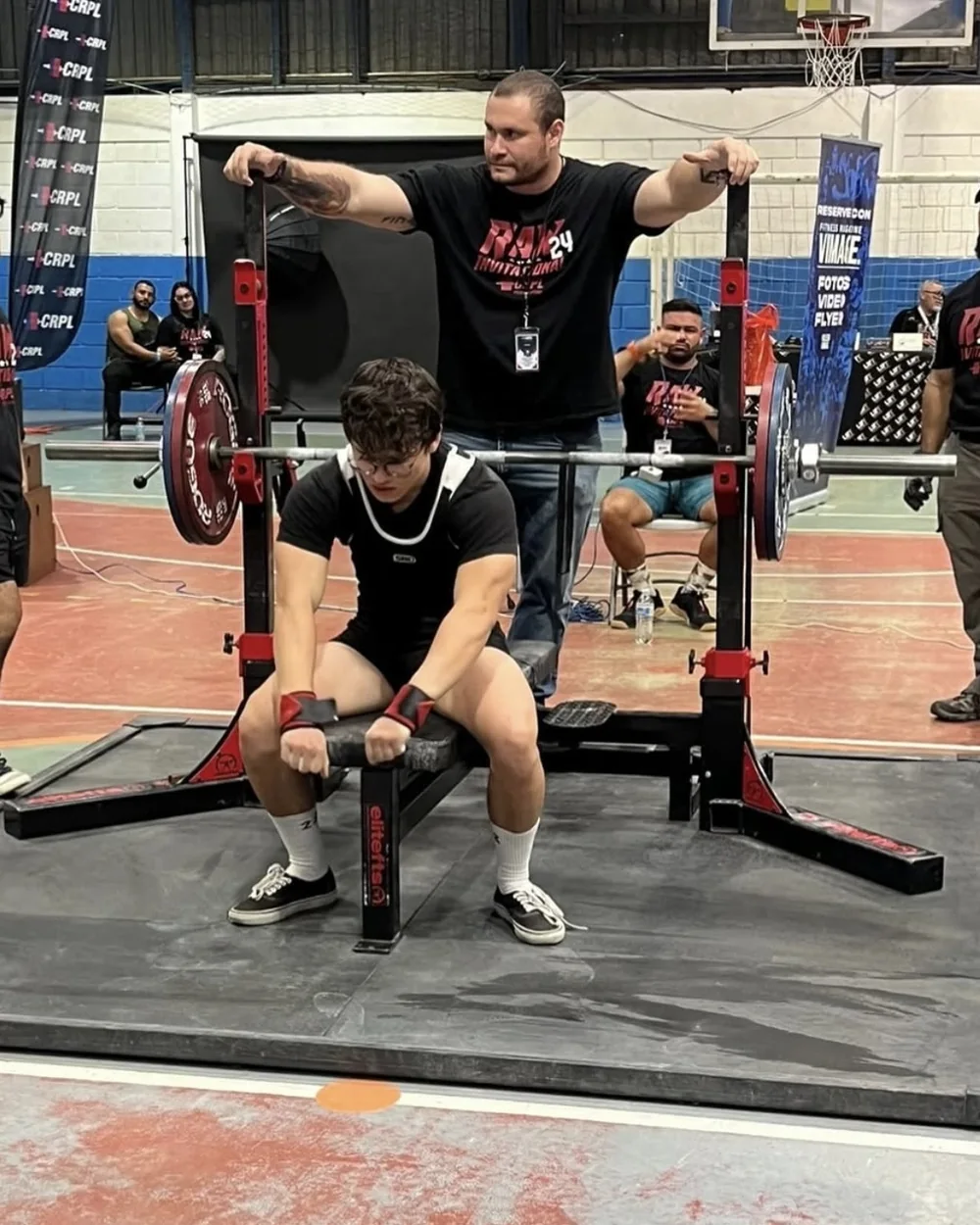
A plan you can repeat beats a session you can survive.
Training is written to be executed week after week — technique held to standard, load managed so the next block can be harder than this one.
Common questionsBuilt for
the platform.
Competitive strength trained by someone who competes in the -125 kg Open Raw category under WRPF and CRPL rules.
The squat, the bench and the deadlift trained with intent, executed to competition standard, and progressed inside a structure that respects how much load a body can absorb.
Douglas's own competitive experience shapes how that training is written — and what a lifter preparing for a meet should be doing months before the platform.
The competitive record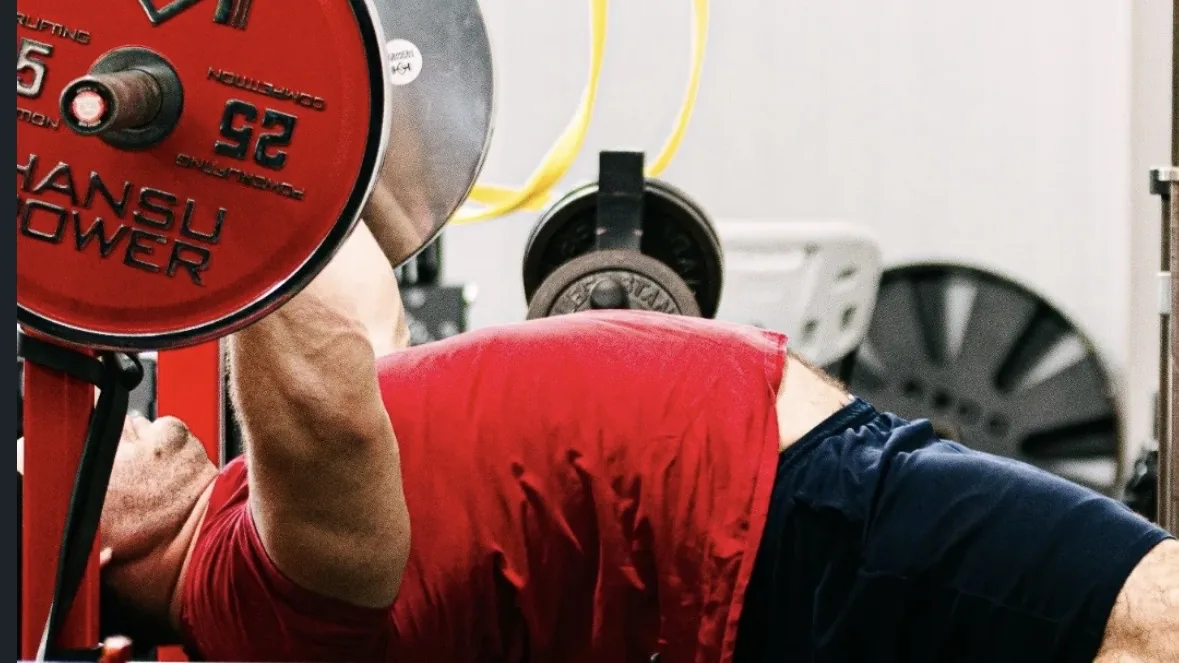
Four steps, one plan
Ready to get stronger?
Your next level starts with a plan built around you.